
What Is Calendered Vinyl - Calendered vinyl is a strong polyvinyl chloride film that is thick and medium stretchable. Calendered vinyl is a type of plastic film made from pvc that is used for signage, wall graphics, vehicle wraps, and more. This limits the thickness that can be achieved. Cast vinyl uses a process. Calendared vinyl is made by squeezing vinyl between heated rollers to fuse the material into sheets. Cast vinyl is stretchy, conformable, and. Calendered vinyl is the type of thick vinyl often seen on individually lettered signs or window signage and can be produced at a number of. Calendered vinyl is created through a manufacturing process where vinyl is heated and pressed through rollers, much like making a sheet of pasta. Calendered vinyl is made by extruding a heated mixture of pvc and plasticizers through a series of rollers, which flatten and stretch the material into a thin sheet. It is made by measuring and combining precise quantities of pvc and other ingredients in a.

What Is Calendered Vinyl Used For Harri Pepita
This process typically results in a thicker film compared to cast vinyl. Learn the difference between cast and calendared vinyl films, their pros and cons, and how to choose the right one for your project. Calendered vinyl is a type of plastic film made from pvc that is used for signage, wall graphics, vehicle wraps, and more. Cast vinyl is.

Calendered Vinyl Shop Calendered Film Rvinyl
This process typically results in a thicker film compared to cast vinyl. Cast vinyl is stretchy, conformable, and. Calendered vinyl is the type of thick vinyl often seen on individually lettered signs or window signage and can be produced at a number of. Learn the difference between cast and calendared vinyl films, their pros and cons, and how to choose.

Avery Dennison™ PC500 Promotional Calendered Vinyl, Page 2
Calendered vinyl is created through a manufacturing process where vinyl is heated and pressed through rollers, much like making a sheet of pasta. Learn the difference between cast and calendared vinyl films, their pros and cons, and how to choose the right one for your project. This limits the thickness that can be achieved. It is made by measuring and.

Calendered Vinyl Shop Calendered Film Rvinyl
This process typically results in a thicker film compared to cast vinyl. This limits the thickness that can be achieved. Calendered vinyl is created through a manufacturing process where vinyl is heated and pressed through rollers, much like making a sheet of pasta. Cast vinyl is stretchy, conformable, and. This process leads to a relatively thicker and more rigid vinyl.

Calendered Vinyl Shop Calendered Film Rvinyl
Cast vinyl is stretchy, conformable, and. Calendered vinyl is the type of thick vinyl often seen on individually lettered signs or window signage and can be produced at a number of. It is made by measuring and combining precise quantities of pvc and other ingredients in a. Learn the difference between cast and calendared vinyl films, their pros and cons,.

How Calendered Vinyl Films are Made
This process leads to a relatively thicker and more rigid vinyl compared to cast vinyl. Calendared vinyl is made by squeezing vinyl between heated rollers to fuse the material into sheets. Calendered vinyl is a strong polyvinyl chloride film that is thick and medium stretchable. Learn the difference between cast and calendared vinyl films, their pros and cons, and how.

Cast and Calendered Vinyl Films SpeedPro Orlando South
Calendered vinyl is the type of thick vinyl often seen on individually lettered signs or window signage and can be produced at a number of. Calendered vinyl is a type of plastic film made from pvc that is used for signage, wall graphics, vehicle wraps, and more. This process typically results in a thicker film compared to cast vinyl. Cast.

What Is Calendered Vinyl Used For Harri Pepita
Calendered vinyl is created through a manufacturing process where vinyl is heated and pressed through rollers, much like making a sheet of pasta. Calendered vinyl is the type of thick vinyl often seen on individually lettered signs or window signage and can be produced at a number of. Cast vinyl is stretchy, conformable, and. Calendered vinyl is a strong polyvinyl.

Roland gloss calendered vinyl leaves no residue SignNews
This limits the thickness that can be achieved. Calendered vinyl is made by extruding a heated mixture of pvc and plasticizers through a series of rollers, which flatten and stretch the material into a thin sheet. Cast vinyl is stretchy, conformable, and. Learn the difference between cast and calendared vinyl films, their pros and cons, and how to choose the.
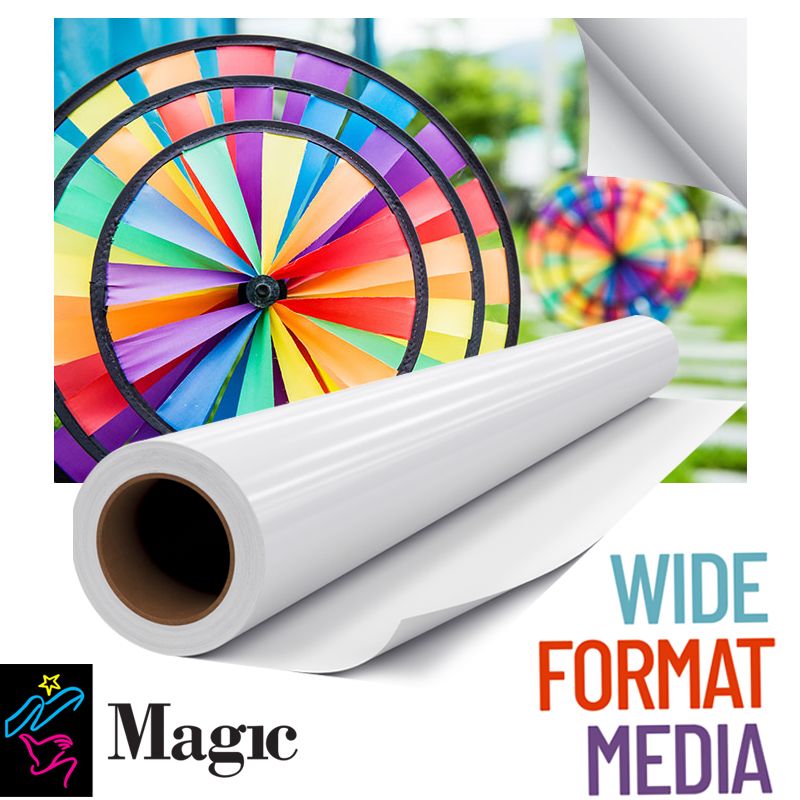
Magic Calendered Vinyl Adhesive
This process typically results in a thicker film compared to cast vinyl. Calendered vinyl is created through a manufacturing process where vinyl is heated and pressed through rollers, much like making a sheet of pasta. Calendered vinyl is a type of plastic film made from pvc that is used for signage, wall graphics, vehicle wraps, and more. This process leads.
Calendered vinyl is a type of plastic film made from pvc that is used for signage, wall graphics, vehicle wraps, and more. Cast vinyl is stretchy, conformable, and. Calendered vinyl is created through a manufacturing process where vinyl is heated and pressed through rollers, much like making a sheet of pasta. Calendered vinyl is the type of thick vinyl often seen on individually lettered signs or window signage and can be produced at a number of. Learn the difference between cast and calendared vinyl films, their pros and cons, and how to choose the right one for your project. It is made by measuring and combining precise quantities of pvc and other ingredients in a. This limits the thickness that can be achieved. Calendered vinyl is a strong polyvinyl chloride film that is thick and medium stretchable. This process typically results in a thicker film compared to cast vinyl. Cast vinyl uses a process. Calendered vinyl is made by extruding a heated mixture of pvc and plasticizers through a series of rollers, which flatten and stretch the material into a thin sheet. Calendared vinyl is made by squeezing vinyl between heated rollers to fuse the material into sheets. This process leads to a relatively thicker and more rigid vinyl compared to cast vinyl.
It Is Made By Measuring And Combining Precise Quantities Of Pvc And Other Ingredients In A.
This process typically results in a thicker film compared to cast vinyl. This limits the thickness that can be achieved. Calendered vinyl is made by extruding a heated mixture of pvc and plasticizers through a series of rollers, which flatten and stretch the material into a thin sheet. Cast vinyl uses a process.
This Process Leads To A Relatively Thicker And More Rigid Vinyl Compared To Cast Vinyl.
Calendared vinyl is made by squeezing vinyl between heated rollers to fuse the material into sheets. Calendered vinyl is a strong polyvinyl chloride film that is thick and medium stretchable. Cast vinyl is stretchy, conformable, and. Calendered vinyl is a type of plastic film made from pvc that is used for signage, wall graphics, vehicle wraps, and more.
Learn The Difference Between Cast And Calendared Vinyl Films, Their Pros And Cons, And How To Choose The Right One For Your Project.
Calendered vinyl is the type of thick vinyl often seen on individually lettered signs or window signage and can be produced at a number of. Calendered vinyl is created through a manufacturing process where vinyl is heated and pressed through rollers, much like making a sheet of pasta.